

Electric Bikes With Pedal Assist
E-bikes or e-bikes are regular bicycles with motors that help you while you're riding. This helps you take longer rides or climb hills without burning yourself out.
The motors are controlled via cadence and force sensors that detect your pedaling motion. You can also manually activate the motor via an on the handlebars.
Pedal Assist
Pedal assist, also referred to as pedelec, is the feature that boosts the power that many electric bikes come with. In contrast to throttles, pedal-assist systems only work when the rider uses their legs to move the bike. They allow you to ride more quickly and farther, and handle difficult terrain, like hills and inclines, more easily.
Most pedal-assist system offer different levels of assistance. The lowest level, usually known as "1," is perfect for riders who are getting used to the feel of an electric bike and require some extra support on flat terrain. The highest level, typically referred to as "3," will make your motor work harder than others to get you to 18mph on flat terrain.
A cadence-sensing device that consists of the ring magnet which is attached to the pedal crank and a sensor positioned on the bottom bracket. It measures how fast you are turning your pedals. It then tells your motor to spin with a similar rate. It is simple to use and gives you a good idea of how your motor will assist you pedal. It can be jerky under certain conditions. By increasing electric mobility scooters for adults , and then reducing it can make your bike more precise and smooth.
The torque sensors, however, change the amount of power sent to your pedals depending on how hard you're pushing down. It's like the light switch that turns on or off the dimmer depending on the force you apply to your pedals. This allows you more control over the amount of power your motor generates. It also helps to extend battery life by allowing you to save energy when it's not needed.
Both throttle and pedal-assist systems are a practical, safe and fun way to make the most of your e-bike. The decision between the two systems will be determined by your riding style, terrain and your preference for precision and control.
Pedal-Activated Systems
When you have a pedal-activated device, the motor is only powered when you actually pedal and makes riding your e-bike feel like a natural extension of your own efforts. These systems make use of sensors to determine when you're pedaling, and then provide various levels of power assistance. This provides you with an increase when you need it, while conserving the battery's power when you are it is not. These pedal-activated systems mix traditional cycling with an additional "oomph" that is needed to conquer hills and travel long distances without getting tired.
The most commonly used type of pedal-assist sensor is a cadence sensor. It uses magnets installed next to your pedals to identify when you're actively pedaling. This sensor is fairly simple and affordable, but it has the drawback of sometimes jerking your bike forward when you switch between PAS levels. It's also less sophisticated than other options, so it can be more likely to be cut off in steep terrain or when you pedal a lot more for a longer period of time.
Other sensors are used in pedal-assist systems that determine the amount of pressure you apply. Torque sensors, for instance make use of a precise strain gauge that moves each time you push down on the pedals. This signal tells the motor not only if you're pedaling but also how you're pushing and how much power your overall pedaling is. These systems are more precise and responsive but they are also more costly than cadence sensor.
A lot of our electric bikes have both of these sensor types. You can select the amount of PAS you'd like, and some models will allow you to turn it off completely.
The decision to choose between the throttle mode or pedal-assist option is a personal one. It is important to take into account your riding style, terrain and preferences for precision before making a decision. Pedal-assist can provide a more natural riding experience, which is ideal for long rides. Throttle mode is great for quick accelerations and unique riding scenarios.
Pedal-Assisted Mode
Many riders who ride electric bikes find that one of the biggest challenges they face when buying an e-bike is choosing between a throttle-only bike or a pedal-assist bike. Some may even wonder whether using a pedal-assist mode is cheating or not, but the truth is that using any kind of auxiliary motor on the bike is only going to make riding more enjoyable and easier. This is because the motor is only active when the rider is actually pedaling, which can reduce how much effort they need to exert and enables them to travel further and tackle challenging terrains, like hills.
Pedal-assist functions are typically simple to use and control and control, with the majority offering a variety of levels of support that you can choose from. After activating the power switch on your ebike (normally located on the handlebars and top tube) You can then select the mode you want to use. This ranges from Eco to Power, depending on the amount of boost you want. The higher the PAS setting, more assistance you'll get from the motor, meaning you'll require less human power to move your bike at a faster speed.
A lower PAS setting will be perfect for those looking to save battery power and increase their ride distance. After selecting your preferred mode the only thing left to do is relax and enjoy the ride!
The best thing about pedal-assist mode is that it's also easy to deactivate. The motor will turn off when you stop pedaling or if you press the brakes. The motor only works when you pedal which prevents riders from speeding up and causing accidents.
The pedal-assist option is perfect for those who want to be able to travel farther on their bikes than they could with a standard bike, or help them get to their destination without worrying too much. It's also a great solution for those who would like to use their e-bike for commuting but don't want to cycle all the way to work.
Pedal-Assisted Speed
In pedal-assist systems, the motor is only activated when the bike is being moved forward by your legs. electric mobility use cadence sensors that monitor the speed you pedal, and when you stop pedaling, they stop the motor. Other, more advanced pedal assist systems employ torque sensors to gauge the force that you are applying to the cranks and increase the power by combining the motor. This is a very efficient system and makes the ebike appear like a regular bike. It lets you use the motor for hills when you need it and less for flats and downhills.
Another method to control your e-bike is by using the throttle. The throttles are mounted on the handlebars. They can be turned and pushed to activate the motor. The motor then gives an increase in power to the bike that can be used to travel at a certain speed without pedaling. Throttles are useful for quick starts and keeping up with traffic, however they can also cause you to use up a lot of energy very quickly and consume your battery faster than pedal assist modes.
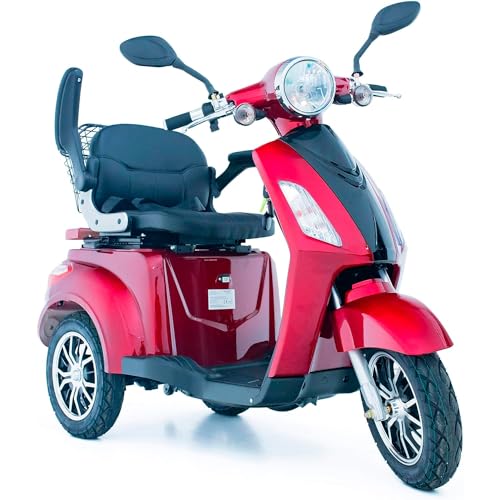
The pedal-assist level is set between 1 and 5 and level 5 being the most powerful. The most common level will require you to do the most pedaling while giving you a boost for hills and acceleration from a stop. While levels 4 and 5, will require less leg strength, but will be more like a cruise-speed electric bike.
Whatever pedal-assist configuration your electric bike comes with the main thing is to get out and go riding! A small amount of power to help take the edge off will make your rides more enjoyable and help you reach your fitness goals. It can also make it easier to climb steep hills and keep up with your friends on those long rides! A throttle can let you try more adventurous activities like bikepacking or bike tours that may be intimidating without the added power.